Anal Gland Abscesses: What Your Dog Really Needs (And It’s Not Just an “Expression”)
If you’ve ever had your dog come home from the groomer with a note saying “anal glands expressed,” or if your vet routinely does this during wellness exams, I need you to stop and ask yourself: why are we treating a symptom instead of addressing the root cause?
Anal gland problems, including the painful and serious complication of anal gland abscesses, have become so common in dogs that many pet owners think it’s just “normal” to have their dog’s glands expressed every few months. But here’s the thing: healthy dogs with properly functioning digestive systems should empty their anal glands naturally during defecation. When they don’t, we need to ask why — and more importantly, how we can support their bodies to function the way nature intended. This was brought home to me over the past two weeks, when I saw five dogs with anal gland abscesses!
What Are Anal Gland Abscesses?
Let’s start with the basics. Dogs have two anal glands (also called anal sacs) located at approximately 4 and 8 o’clock positions around the anus. These glands produce a foul-smelling secretion that’s normally expressed when your dog has a bowel movement. Think of it as your dog’s calling card — it’s how they mark their territory and communicate with other dogs.
When these glands don’t empty properly, the secretions can become thick and impacted. Bacteria can proliferate in this backed-up material, leading to infection. If the infection progresses, the gland can rupture internally, forming an abscess. An abscess is a pocket of pus that develops when the body walls off an infection. In severe cases, the abscess can rupture through the skin, creating an open, draining wound near your dog’s anus.
Signs your dog may have anal gland problems or an abscess:
- Scooting on the floor (the classic sign)
- Excessive licking or biting at the rear end
- A foul odor coming from the rear
- Visible swelling or redness near the anus
- Pain when sitting or defecating
- A visible wound or drainage near the anus
- Lethargy or fever (in severe cases)
If your dog shows signs of an abscess — especially if you see swelling, redness, or an open wound — you need to see your veterinarian immediately. Abscesses require professional treatment, often including antibiotics, pain medication, and sometimes surgical drainage or in extreme cases, removal of the affected gland.
Risk Factors: Who’s Most Vulnerable?
Not all dogs are created equal when it comes to anal gland health. Certain factors dramatically increase the risk:
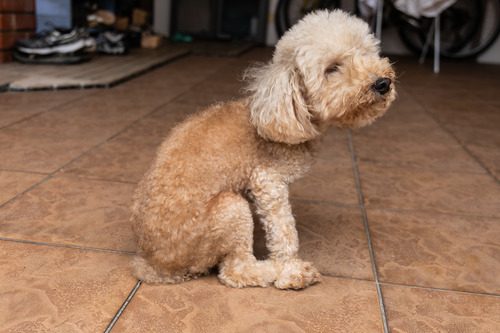
Breed: Small and toy breeds are at highest risk. Breeds like Chihuahuas, Toy and Miniature Poodles, Cocker Spaniels, Lhasa Apsos, and Basset Hounds seem particularly prone to anal gland issues. However, I’ve seen it in dogs of all sizes and shapes.
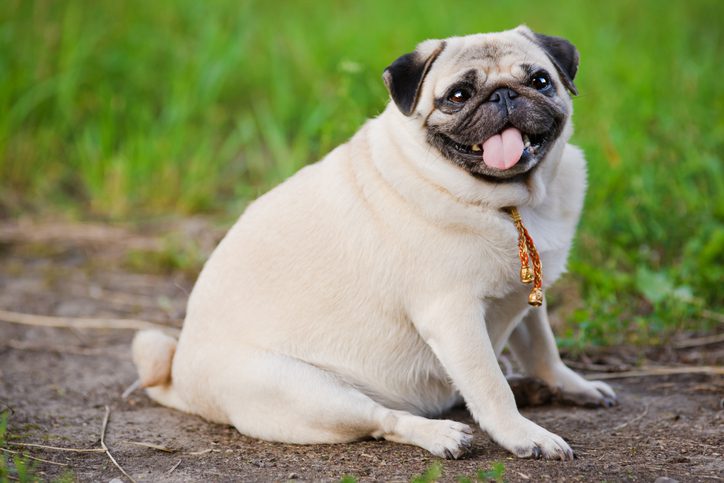
Obesity: Extra weight puts additional pressure on the anal glands and can prevent them from emptying properly. Obesity also contributes to chronic inflammation throughout the body, which can affect gland function.
Chronic soft stools or diarrhea: Without firm stool to put pressure on the glands during defecation, they simply don’t empty. This is where diet becomes absolutely critical.
Food allergies or sensitivities: Dogs with chronic GI inflammation from food sensitivities often have recurrent anal gland problems. The inflammation can affect the normal function of the glands and alter stool consistency.
Frequent “routine” expressions: Yes, you read that right. Having your dog’s glands expressed when they don’t truly need it can actually weaken the muscles around the glands, making them less likely to empty on their own in the future. It’s like any muscle — if you don’t use it, you lose it.
The Diet Connection: What You’re Feeding Matters
This is where I get passionate, because diet is often the single most important factor in anal gland health — and it’s something you can control!
Foods That Help Anal Gland Health:
Fiber — but the RIGHT kind: Your dog needs adequate fiber to produce firm, bulky stools that naturally express the anal glands. But not all fiber is created equal. We’re looking for soluble and insoluble fiber from whole food sources.
Pumpkin: Yes, I’m going to recommend pumpkin again! Plain canned pumpkin (not pie filling) is rich in both soluble and insoluble fiber. The soluble fiber helps regulate digestion and produces that perfect stool consistency. I typically recommend 1-4 tablespoons per day depending on your dog’s size, mixed into food.
Sweet potato: Another excellent source of fiber and nutrients. Can be fed cooked and mashed, similar to pumpkin.
Leafy greens: Dark leafy greens like spinach, kale, or chard (lightly steamed or pureed) add beneficial fiber and nutrients.
Quality protein sources: Lean proteins like turkey, rabbit, or fish that are less likely to trigger food sensitivities. Remember, chronic inflammation from food sensitivities can contribute to anal gland problems.
Adequate hydration: Make sure your dog drinks plenty of water. Proper hydration helps maintain good stool consistency.
Foods That Hurt Anal Gland Health:
High-fat foods: Excessive fat, especially low-quality fats or foods cooked at high temperatures, can contribute to digestive upset and poor stool quality. Fatty table scraps are a common culprit.
Common allergens: For dogs with food sensitivities, continuing to feed the offending ingredients will perpetuate the cycle of inflammation and poor GI function. Common triggers include wheat, corn, and soy.
Highly processed kibbles with fillers: Many commercial dog foods are loaded with cheap fillers like corn, wheat, and by-products that provide minimal nutritional value and can contribute to loose stools or inflammation.
Too many simple carbohydrates: Foods high in simple carbs break down into sugar quickly, potentially feeding bad bacteria in the gut and contributing to inflammation.
Foods with artificial additives: Artificial colors, flavors, and preservatives can trigger sensitivities in some dogs, leading to GI upset.
Supplements That Can Help
Beyond diet, certain supplements can support anal gland health by improving digestion, reducing inflammation, or firming up stools:
Digestive enzymes: Help your dog properly break down and absorb nutrients from food, leading to better formed stools. Look for a broad-spectrum enzyme product designed for dogs. I like Dr. Becker’s Prime Enzymes.
Probiotics: A healthy gut microbiome is essential for proper digestion and stool formation. Choose a high-quality, multi-strain probiotic specifically formulated for dogs. Refrigerated products typically contain more viable organisms Dr. Becker’s Primitive Probiotics.
Omega-3 fatty acids: Fish oil or other marine-based omega-3 sources help reduce inflammation throughout the body, including the GI tract and anal glands. Make sure you’re using a high-quality product that’s been tested for purity. I recommend having your dog’s omega-3 levels tested to ensure proper dosing.
Psyllium husk: This is a bulk-forming fiber supplement that can help dogs who need additional fiber beyond what their diet provides. Start with a small amount and increase gradually to avoid gas or bloating. Always give with plenty of water.
Olewo Carrots or other anal gland supplements: Olewo’s high-quality pelleted carrots provide a healthy fiber and stabilize many dogs’ anal gland issues. Other products may contain herbs or extracts such as arabinogalactan that soothe irritated glands. I prefer to address the underlying issues with diet first, then develop an individualized supplement plan.
What About Routine “Expressions”?
I know this is controversial, but I need to say it: for most dogs, routine anal gland expressions are not necessary and may actually be counterproductive. If your groomer or vet is doing this at every visit “just because,” you might want to reconsider.
Here’s my approach: if your dog is showing signs of full or impacted glands (scooting, licking, odor), then yes, they need to be emptied. But the goal should always be to figure out WHY they’re not emptying on their own and fix that underlying problem. Simply having them expressed over and over without addressing the cause is like bailing water out of a sinking boat without plugging the hole.
For dogs with chronic issues, work with your veterinarian or a veterinary nutritionist to optimize diet, address any underlying health issues (like hypothyroidism or allergies), and use appropriate supplements. Many dogs can be weaned off needing manual expressions once their GI health is restored.
My Protocol for Supporting Anal Gland Health:
- Assess the diet: Is it providing adequate fiber? Is it appropriate for your dog’s specific needs? Are there potential food sensitivities contributing to inflammation or poor stool quality?
- Add fiber gradually: Start with pumpkin (1-4 tablespoons daily depending on size) and adjust based on stool quality. You want firm, well-formed stools — not hard or dry, but definitely not soft or loose.
- Consider adding a probiotic and digestive enzymes to support overall GI health.
- Add omega-3 fatty acids to reduce inflammation.
- Address obesity if present: Gradual, healthy weight loss can make a significant difference. Appropriate exercise is crucial.
- Rule out underlying health issues: Work with your vet to address any chronic health problems.
Monitor closely: If your dog develops signs of infection (swelling, redness, pain, fever, open wounds), seek veterinary care immediately.
When to See Your Veterinarian
While supporting anal gland health through diet and lifestyle is my preferred approach, there are times when professional intervention is absolutely necessary:
- Any signs of abscess formation (swelling, redness, heat, pain, open wounds, discharge)
- Fever or lethargy
- Inability to defecate or crying out when defecating
- Recurrent problems despite dietary management
- To rule out other causes of scooting or rear-end discomfort (such as allergies, parasites, or other skin conditions)
In cases of severe, recurrent abscesses, surgical removal of the anal glands may be recommended. While I always prefer to address the root cause, sometimes chronic damage to the glands makes removal the best option for the dog’s quality of life.
The Bottom Line
Anal gland problems, including abscesses, are largely preventable with proper diet and lifestyle management. Rather than accepting routine expressions as “normal,” ask yourself what you can change to support your dog’s body to function as nature intended. Focus on fiber-rich whole foods, high-quality protein sources appropriate for your dog, adequate hydration, healthy weight, and gut-supporting supplements.
Your dog’s rear end may not be the most glamorous topic, but getting it right can prevent painful infections and improve your dog’s overall quality of life. And isn’t that what we’re all working toward?
As always, feel free to share your experiences and questions on my Facebook page.
Want personal help? Check out the options I offer on the Consultation page.