Is Your Dog Swimming in Toxins? Here’s How to Find Out
Let me tell you something that keeps me up at night. Dogs are being poisoned slowly — not by anything exotic, not by a one-time accident — but by the ordinary, everyday things we give them and the environments we let them roam. And most owners have absolutely no idea it’s happening.
That stops today. Because now you can actually test for these toxins.
The Toxin Problem No One Is Talking About
Here’s a number that should make you put down your coffee: studies show that dogs carry glyphosate — the active ingredient in Roundup pesticide — in their bodies at levels up to thirty times highe than humans. Thirty times. And we’re already seeing skyrocketing rates in people. In the last two decades, detectable glyphosate levels in humans have risen by 3,800%. Imagine what’s happening in a dog who walks barefoot on treated grass, eats grain-based kibble at every single meal, and licks his paws clean when he comes inside.
Glyphosate isn’t the only problem. There are also mycotoxins — toxic compounds produced by mold and fungi — along with heavy metals like lead, mercury, arsenic, and cadmium that accumulate silently in the body over months and years. None of these show up on a routine vet blood panel. None. Your dog could be loaded with toxins and your vet would have no idea.
What Can You Actually Test For?
VDI Laboratory offers a suite of at-home toxin testing panels that any dog owner can order and collect samples for themselves — no vet appointment required to get started. Here’s what they offer:
Glyphosate Panel — A urine test that measures short-term exposure (days to a week). Given that glyphosate is excreted through urine and feces, reductions are noticeable quickly once you make dietary changes. This is a great baseline test for any dog eating commercial kibble or living near treated lawns or parks.
Mycotoxin Panel — A urine test detecting 16 different mycotoxins, including nine macrocyclic trichothecenes produced by black mold (Stachybotrys chartarum). These toxins come from moldy or improperly stored pet food, damp basements, and water-damaged environments. The health impacts are serious: immune suppression, liver damage, neurological effects, vomiting, and in severe cases, death.
Mineral and Toxic Metal Fur Analysis — A fur/hair sample test that captures long-term exposure to heavy metals and mineral imbalances. Unlike urine, which reflects recent exposure, fur tells the story of what’s been accumulating over weeks and months. Think of it like a timeline written into your dog’s coat.
Toxin Combo Panel — The whole picture: glyphosate exposure, mycotoxin exposure, and the option to add fur mineral analysis. If you’re going to test, I’d honestly start here.
The at-home collection kits include everything you need — collection tubes, instructions, gloves, a return envelope, and a requisition form. You collect the sample, ship it back, and receive a detailed report with interpretation. VDI even provides patient-specific detox recommendations when elevated toxin levels are found. Results aren’t just numbers on a page — they come with context and a roadmap for what to do next.
Important note: VDI recommends reviewing all results with your veterinarian, and I wholeheartedly agree. These tests are powerful diagnostic tools, not replacements for veterinary care.
So, where is your dog going to be exposed to these toxins? You are not going to be surprised by environmental exposure. But you may be surprised about what you put in his bowl.
Kibble, or dry food, is, by its very nature, a high-risk food for toxin exposure. Let me explain why.
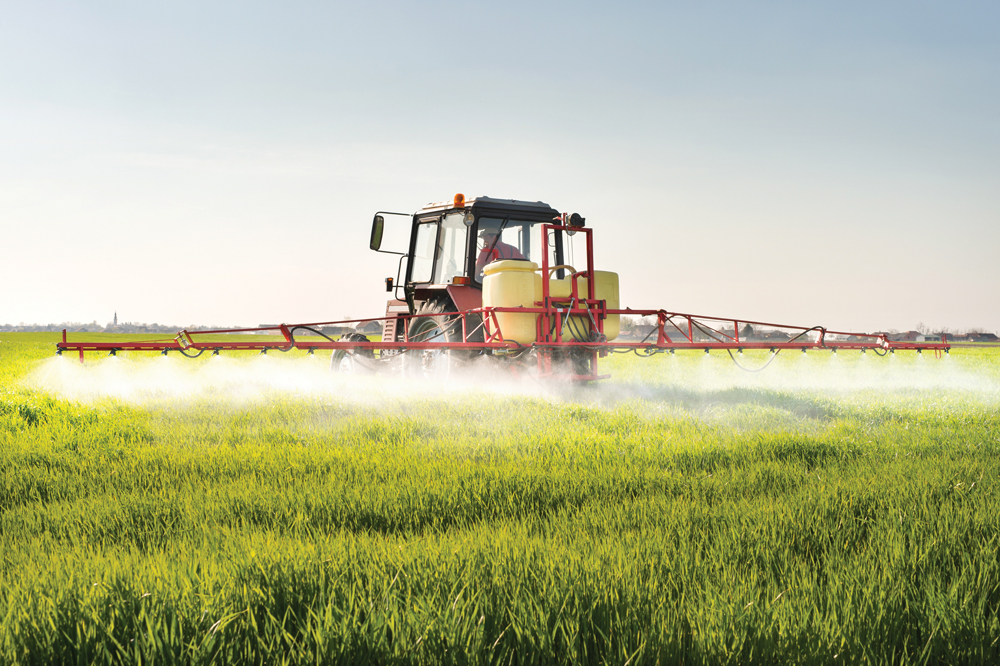
Grain content. Most commercial kibbles are built on a base of corn, wheat, soy, oats, or rice. These grains are frequently sprayed with glyphosate as a pre-harvest desiccant — meaning the herbicide is applied right before the crop is cut to speed up drying. This practice results in particularly high glyphosate residues in the finished grain. Genetically modified grains like corn and soy are also grown with glyphosate as part of the cultivation process. VDI’s own testing data identifies grain-based kibble and grain-based treats as among the highest-risk sources of glyphosate exposure in dogs.
Mycotoxin contamination. Grain ingredients — especially corn — are notorious for mycotoxin contamination. Aflatoxins produced by Aspergillus mold have been responsible for multiple major kibble recalls, with some causing acute liver failure and death in dogs. And those are the acute cases. Long term exposure also occurs in bags of food that pass quality testing but still contain sub-clinical levels of contamination? We simply don’t know how widespread this is, and that uncertainty alone is reason enough to test.
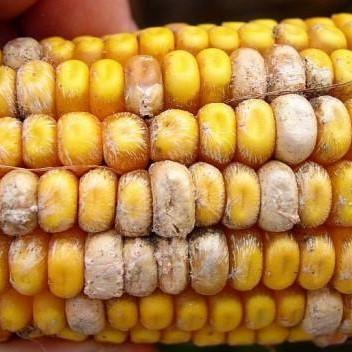
Processing and storage. Kibble is manufactured with high heat and then stored — sometimes for a year or longer between manufacture and consumption. Fat oxidation, nutrient degradation, and mold growth on improperly stored bags are all real risks. An open bag of kibble kept in a garage or stored in a plastic bin is an invitation for mold.
Heavy metals. Some kibble formulas, particularly those containing fish meal, organ meats from unknown sourcing, or phosphate-based ingredients, can be a source of heavy metal accumulation. Cheap fish meal in particular can carry mercury, arsenic, and lead
Now compare that to fresh food.
VDI’s own research notes that meats, dairy, and eggs (with the exception of liver) have been found to contain very low levels of glyphosate. Fresh proteins — muscle meat, poultry, eggs, fish — when sourced thoughtfully, simply don’t carry the same toxic burden as grain-based processed foods.
Fresh food is also stored for days, not months. You’re not dealing with a bag that’s been sitting since last spring. You know what’s in it, where it came from, and it hasn’t been exposed to the kinds of storage conditions that allow mold to thrive.
That doesn’t mean fresh food is risk-free. Dogs on fresh diets that include a lot of legumes, dried beans, or grain-based supplements can still have glyphosate exposure. And raw food handled or stored improperly has its own contamination risks. But as a starting point for reducing toxic burden? Fresh food wins, and it’s not particularly close.
High-Risk Lifestyle Habits to Watch
Whether your dog eats kibble or fresh food, there are specific habits and exposures that dramatically increase toxin burden. Here’s what I want you to pay attention to:
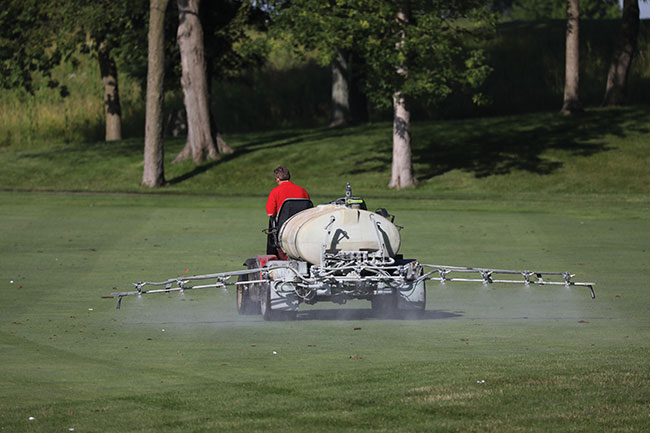
Walking on treated grass and licking paws afterward is one of the most significant routes of glyphosate exposure for dogs. Parks, golf courses, schoolyards, and neighborhood lawns are frequently treated with glyphosate-based herbicides. Watch for posted spray notices and wash your dog’s feet after outdoor time.
Dogs who spend time in damp or water-damaged areas of a home — basements, crawl spaces, laundry rooms — have increased mycotoxin exposure risk, both through inhalation and skin contact with moldy surfaces.
Dogs who eat food stored in open bags, plastic bins in garages, or who are given old or expired treats are at elevated mycotoxin risk.
What You Can Do Right Now
First, test. If you’ve never checked your dog’s toxin levels, I’d start with the Toxin Combo Panel at VDI. You’ll get baseline data on glyphosate and mycotoxin exposure, and you can add fur mineral analysis to capture any heavy metal concerns. You order the kit, collect the samples at home, and ship it in. It really is that straightforward.
Second, change what you can. If your dog is on an all-kibble diet, this is your sign to start transitioning to fresh food — even partially. A kibble-fed dog who eats 30% fresh food sees meaningful reductions in processed food exposure. A fully fresh diet reduces it dramatically. I always recommend liver support for any toxin-affected dog. My new favorite is Dr. Karen Becker’s Liver Lift, with its multimodal ingredients to support all phases of detoxification. You can order/pre-order it here.
Third, manage environmental exposures. Wash paws after walks. Don’t let your dog roam in recently treated areas. Keep pet food storage dry, cool, and in airtight containers. Don’t keep bags open longer than four to six weeks.
Fourth, retest. VDI recommends follow-up testing to confirm that dietary and lifestyle changes are actually reducing toxic burden. For glyphosate, you can see meaningful drops in urine levels within a week of dietary changes. Heavy metals take longer to clear, but fur analysis done every six months gives you a clear picture of the trend.
The Bottom Line
Your dog can’t tell you he’s been exposed to toxins. He can’t tell you his liver is working harder than it should, or that his immune system is fighting a battle on multiple fronts. He just looks at you and wags his tail and trusts you to figure it out.
Now you have the tools to do exactly that.
The testing exists. The connection between diet and toxin burden is well-established. The path from high-risk kibble and toxic exposures to a cleaner, lower-burden life for your dog is real and achievable.
That’s what being a proactive, informed dog owner looks like — and your dog deserves nothing less.
Want to learn more about reducing your dog’s toxic burden through fresh food feeding? Check out the rest of the Healthy Dog Workshop blog, and as always, feel free to reach out with questions.
Testing kits are available directly here. Results should be reviewed with your veterinarian.