Why Details and Sourcing Matter
Like many owners, you have probably considered making your own dog’s food. You may have already tried, with varying levels of success and frustration. Likely someone has told you that you are doing it wrong. You have worried about not meeting all of your dog’s nutritional needs. Maybe you gave up, or became even more determined to do it better.
It’s often said the devil is in the details. Making your own dog food is not hard, but you need to know a few key things, and you need to follow your recipe. Experts estimate that up to 80% of owners making their own food drift off the nutritionally complete recipe(s) they purchased from reliable sources. While it does not require the precision of nuclear science, you don’t want to get sloppy in putting food together.
So, you have come up with a plan. You’ve obtained one or more nutritionally complete recipes by your standard of choice, suitable for your dog, who has no current health problems. You have all the needed kitchen tools and enough freezer space to make a convenient batch that will feed your dog for a week. Now it’s time to head to the store. But when you get there, your eyes get a bit fuzzy looking at the options.
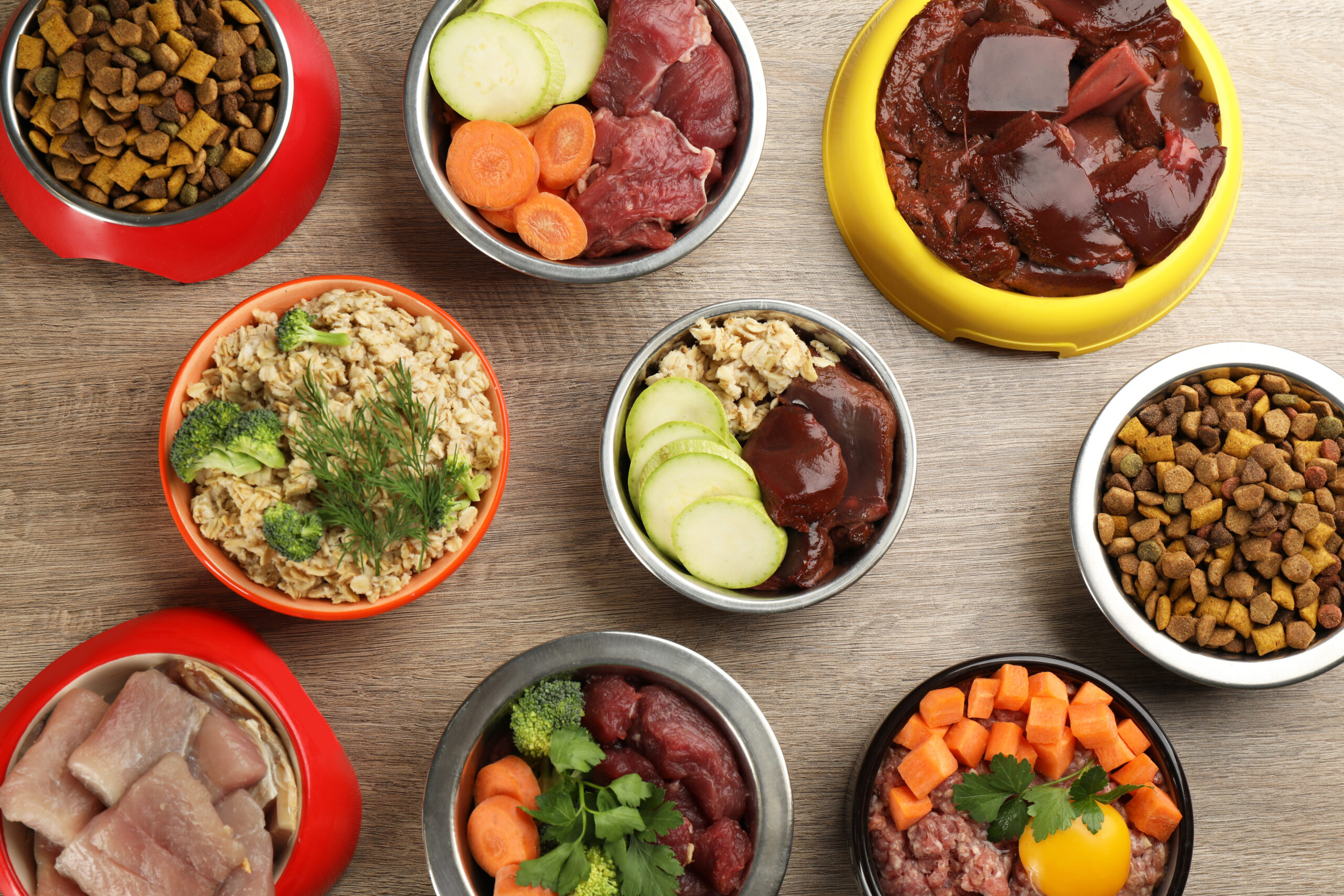
Here’s where you need your recipe to guide you. The more specific the ingredient descriptions are, the closer your batch will be to the calculated values of your recipe. An obvious example of this is the fat level in the meat (protein) you will use. All recipes should specify the fat level of the meat. This is because fat contains over twice the number of calories as muscle meat. So, if you chose fatty beef (73% lean), you would have a higher caloric content per ounce than if you chose 90% lean. Conversely, you would have more protein in the recipe created with 90% lean than with the fatty option. You must source what the recipe specifies to have the best chance at hitting the calculated nutrient levels. If your recipe does not specify fat levels, or skin on or off for poultry, get a new recipe.
Of course, the nutrient data in diet formulation software may differ slightly from the actual product you purchase. As common sense dictates, when it comes to all living things in nature, there will be variation. But don’t stress! By adhering to the exact ingredients in the recipe, your chances of accuracy are better. And we know the numbers in our calculations are our best estimates as well. The body can cope with some level of variation in nutrients, just not long term excess or insufficiency.
Using the highest quality ingredients can also stack the odds in your favor. For example, which do you consider more digestible, nutritious, and free from contaminants such as pesticides, fillers, preservatives, etc? A fast food burger, or the same-sized portion of grass-fed, organic beef? And what about the nutrient content of various types of the “same” ingredient?
A great example of this is beef liver, a common ingredient in homemade dog food recipes. It is rich in choline, vitamin B12, and vitamin A, and iron, making it a valuable component when using other ingredients that contain lesser amounts of these nutrients. However, it can also contain very significant amounts of copper, a concern for dogs prone to copper storage disease, which is becoming frighteningly common. It’s vital to know that other species’ livers DO NOT contain such high levels of copper. Chicken, turkey, and pork liver offer differing levels of nutrients, and can fit in many recipes.
To understand the copper amounts that homemade diets might contain, we performed survey testing on readily available beef liver in upstate NY. Liver from three supermarkets and three grass fed, grass-finished farms were tested. Despite the sample size, the results were interesting. The grass-fed and finished samples came in as 15, 78, and 367 ppm (average 153 ppm). The conventional, supermarket livers tested as 305, 421, and 1030 ppm (average 585 ppm). That is a huge difference! This makes a lot of sense, given the way conventional cattle are fed, compared to those on pasture. It points out the importance of knowing how your ingredients have been raised or grown, as that can really impact what nutrient levels are. If you want to see the full results of our testing, scroll the document below or use the download link.
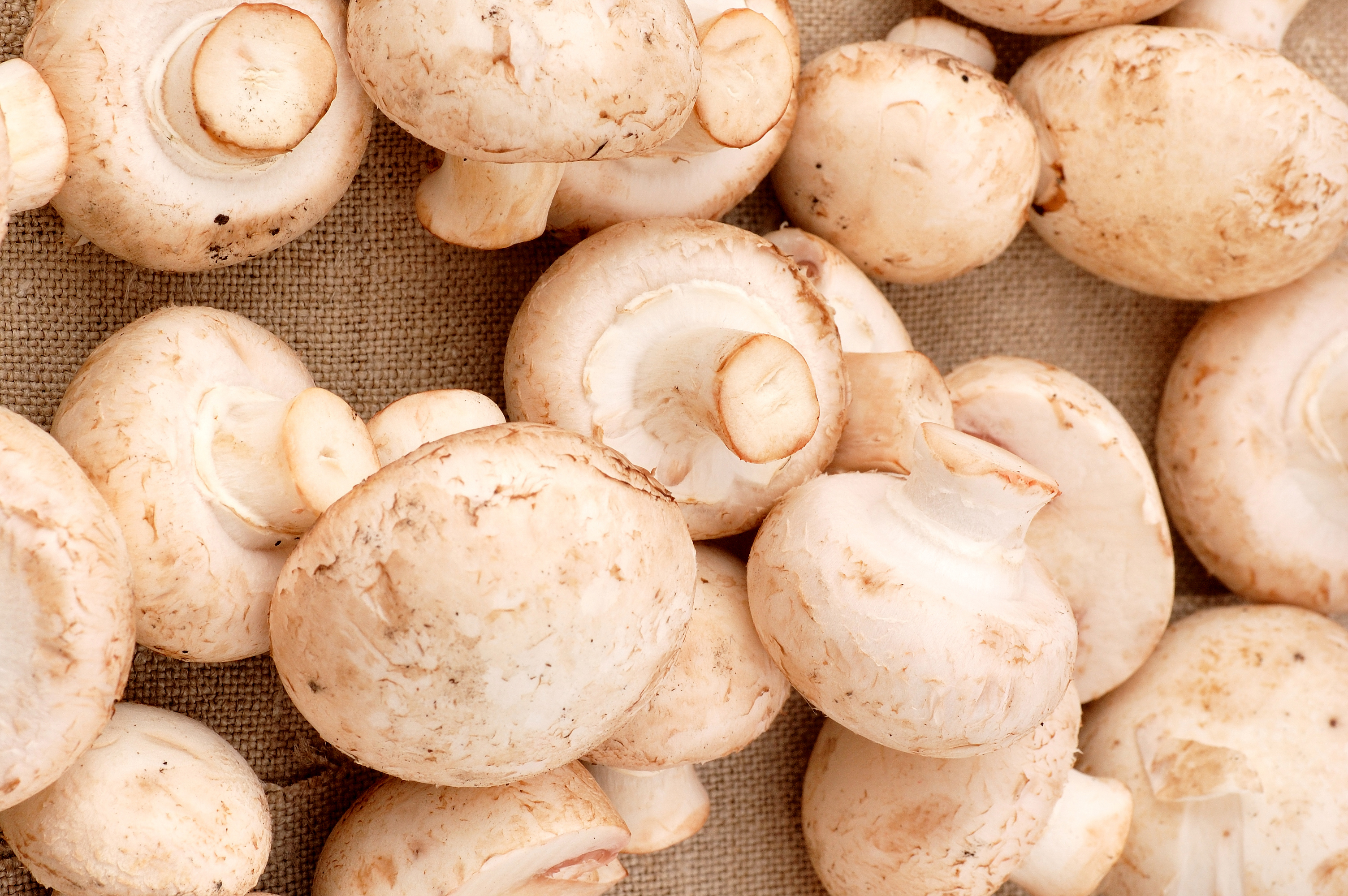
This variation will apply to fruits and vegetables as well. Nutrient content will be affected by soil quality and characteristics, fertilizers used, processing and handling techniques, and more. Did you know that exposing mushrooms to direct sunlight for just 15 – 30 minutes can increase their vitamin D level from low to over 100% of the human daily requirement?
In fact, soil quality and regenerative farming practices affect both the nutrient characteristics of vegetables and the livestock raised on these farms. Check out this paper from the National Library of Health.
It really seems like common sense that ingredient quality will impact the nutrient content of foods. Yet the pet food industry insists on using feed grade or not fit for human consumption ingredients, while insisting their products provide superior nutrition, and that it does not matter, as the processing makes the nutrients available and nutritious. Yet processing comes with its own contribution to the products — not all good. Check out this paper from Frontiers in Veterinary Science. As stated in the paper, ultraprocessing is associated with increased risk of chronic disease in humans, and it seems intuitive that the same would hold true at some level in our dogs. While scientific evidence is preferable, common sense tells us that multiple exposures to heat, pressure, chemicals on a molding batch of grains or spoiled vegetables does not produce a nutritious food product.
If you are looking for a reliable source of nutritionally complete recipes, I recommend The Forever Dog Life. There you will find detailed plans that use a wide variety of ingredients, as concise explanations and loads of tips and tricks.